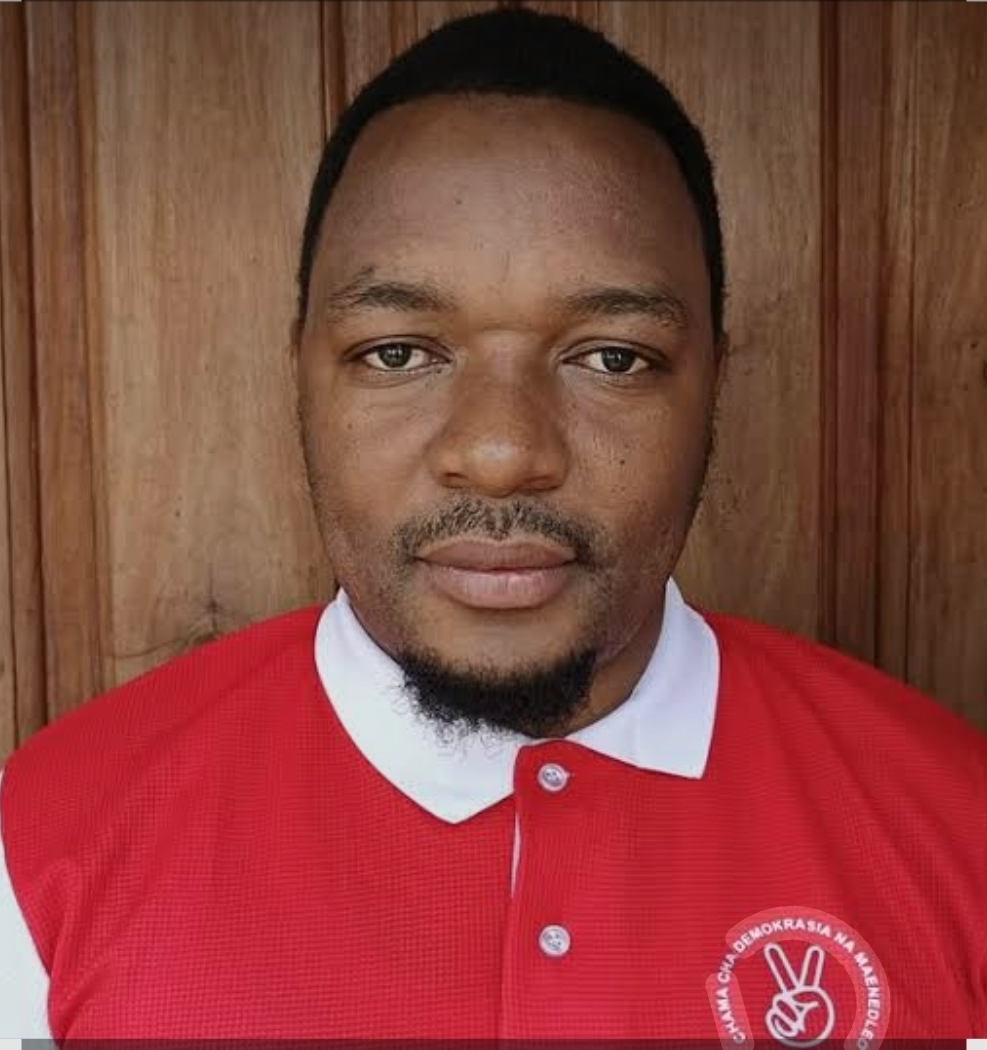
The reported abduction of Tanzanian activist Twaha Mwaipaya in Kenya on Sunday is another frightening reminder of how dangerously our politics have deteriorated. As I write, his whereabouts remain unknown. Activists suspect cross-border state involvement, although the identity of his abductors has not been established.
Mwaipaya’s disappearance is particularly disturbing because Kenya has become a temporary refuge for Tanzanians fleeing political persecution. If even exile cannot guarantee their safety, where should they run?
And Mwaipaya is hardly an isolated case. In August 2024, CHADEMA activist Deusdedith Soka disappeared alongside Jacob Mlay and Frank Mbise. In May 2025, Mdude Nyagali was reportedly abducted from his home in Mbeya. Five months later, former Tanzanian ambassador Humphrey Polepole disappeared following a reported violent break-in at his residence.
More frighteningly, Soka, Mdude, Polepole and several others have never been publicly accounted for since their reported abductions. Their whereabouts remain unknown, their families continue waiting for answers, and fears that some may have been killed grow with every passing month.
Other missing Tanzanians include Anthony Gabriel, Daniel Chonchorio, Dioniz Kipanya, Mbeshi Paulo, Fakih Ali Salim, Shadrack Chaula, Siza Mwita Keheta and others. Their circumstances differ, but their unresolved disappearances raise similarly troubling questions.
Are they alive? Are they being held somewhere? Have they been killed? If so, by whom, and why? How long must their families endure this agonising uncertainty?
These are not merely political statistics. They are human beings with parents, children, spouses, friends and dreams. Their disappearance should trouble the conscience of every Tanzanian, regardless of political affiliation.
These questions become even more urgent as Tanzania approaches the first anniversary of the October 29, 2025 general election.
That election left wounds that remain painfully open. Reports have put the death toll from election-related violence at more than 500, although the precise number remains contested. Behind those figures are grieving parents, widows, orphans and families whose suffering cannot be erased by political speeches.
Hasn’t Tanzania sacrificed enough? Philosopher Thomas Hobbes understood that the fundamental justification for government lies in protecting human life. When citizens begin fearing those entrusted with their protection, something profoundly troubling has happened to the relationship between state and society.
But condemnation alone cannot rescue Tanzania from its political predicament.
Since last year’s election, relations between the government and opposition have become dangerously confrontational. The authorities face serious allegations of repression, while opposition leaders continue to emphasise resistance, demonstrations and confrontation.
One distinction must remain absolutely clear: No political provocation can justify abduction, torture, extrajudicial killing or unlawful detention. The state bears the primary responsibility for protecting citizens, including its fiercest critics.
Nevertheless, the opposition must also ask whether confrontation alone can deliver the political transformation it seeks.
Nelson Mandela understood that negotiating with one’s adversaries need not mean surrendering one’s principles. Mahatma Gandhi demonstrated that courageous resistance requires discipline, patience and strategic wisdom.
Tanzania has its own experience to draw upon. Between 2022 and 2023, political diplomacy helped reopen democratic space after years of hostility. The reconciliation process was imperfect and ultimately failed to resolve fundamental disagreements. Nevertheless, it demonstrated that political adversaries could communicate without abandoning their convictions.
Why should that possibility be discarded today?
What Tanzania urgently needs is a credible intermediary, perhaps a small group of respected religious leaders, retired statesmen, experienced diplomats and other influential personalities capable of speaking frankly to both President Samia Suluhu Hassan and the opposition leadership. Their mission should begin with protecting threatened citizens, establishing the whereabouts of missing persons, demanding credible investigations and reopening meaningful political dialogue.
Reconciliation must never become a convenient substitute for justice. Nor should the pursuit of justice automatically exclude dialogue.
Martin Luther King Jr. reminded humanity that genuine peace requires justice, not merely the absence of visible conflict.
It takes two to tango. But responsibility is not equal: the government commands the state’s coercive machinery and therefore carries the greater obligation to prevent abuses. The opposition, meanwhile, has a responsibility to consider how its strategies affect the prospects for peaceful political change.
Neither side should confuse compromise with cowardice or continued hostility with courage.
Tanzania cannot afford another election marked by hundreds of deaths, another generation of missing activists or another family condemned to wait indefinitely for a loved one who may never return. Political leaders may disagree profoundly, but the country belongs to more than its politicians. We need people with wisdom, credibility and courage to intervene before the situation deteriorates further.
If we do not act now, who will? And if this dangerous political trajectory continues, what will become of our beloved Tanzania?
Someone must bell the cat. And that someone must act now, before another young Tanzanian disappears.