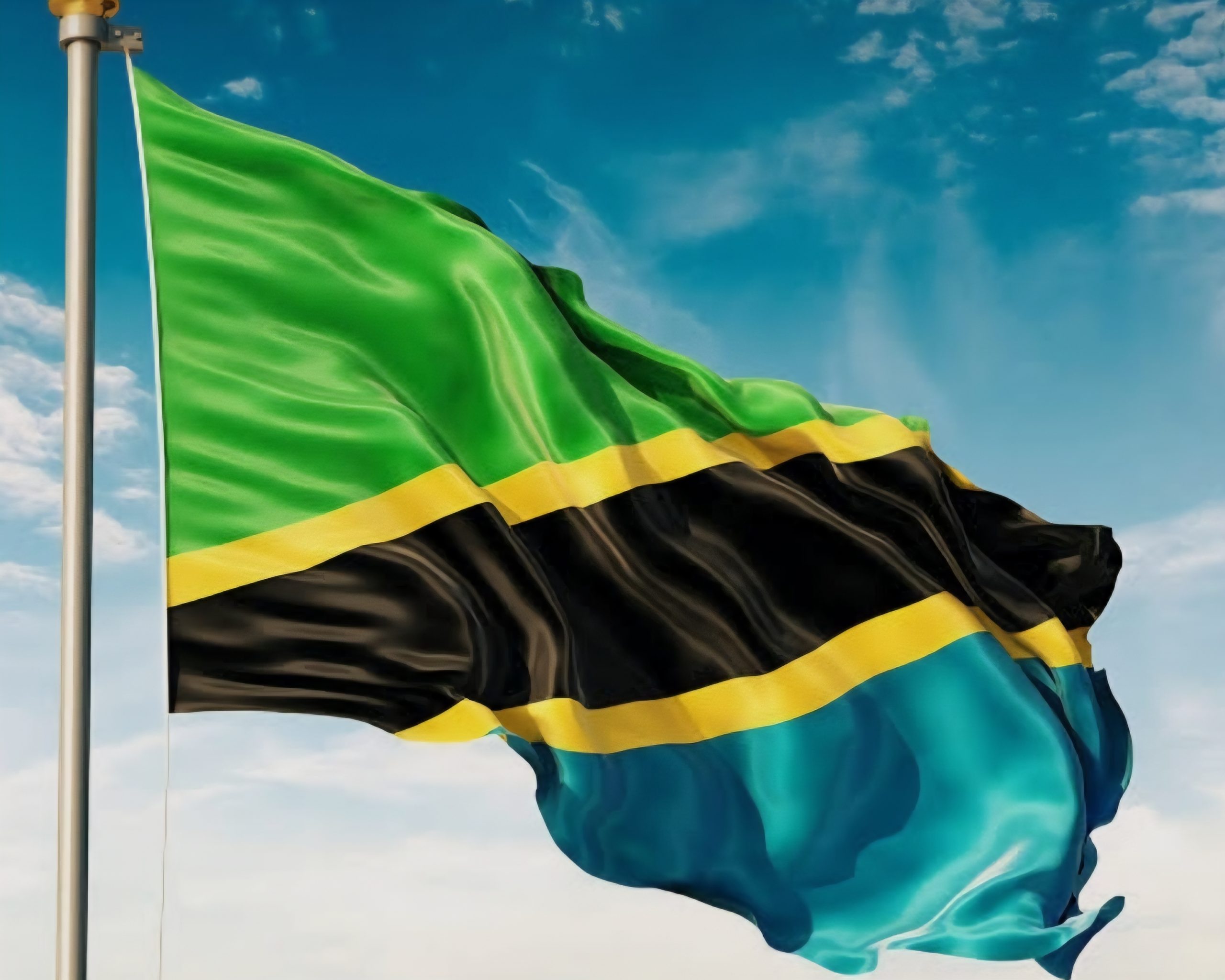
Tanzania has long enjoyed a reputation as one of Africa’s most peaceful and politically stable nations. In a region repeatedly shaken by civil wars, political upheavals, violent extremism and communal conflicts, the country’s tradition of national unity and peaceful coexistence has been a source of pride.
But history offers a warning: peace is neither permanent nor guaranteed. A country may enjoy decades of relative stability only to discover that unresolved grievances have been quietly eroding the foundations of its unity.
For Tanzania, the question is no longer simply how to preserve its reputation for peace, but how to confront the political, economic and institutional conditions that could threaten it. Peace must be deliberately cultivated, not merely celebrated.
Conflict prevention should, therefore, become a central pillar of national governance and development, rather than an emergency response when tensions have already erupted into violence.
The most successful societies are not necessarily those that respond most forcefully to crises, but those that build institutions capable of preventing them. Conflict prevention is not merely a security responsibility; it is an economic, political and moral imperative. Resources invested in preventing violence can spare a nation the far greater costs of destroyed infrastructure, disrupted livelihoods, displaced communities and fractured social relationships. More importantly, prevention protects something that money alone cannot easily restore: public trust.
And public trust is precisely where Tanzania faces one of its most pressing challenges.
The country is undergoing profound social and economic transformation. Rapid urbanisation, a growing youth population, increasing competition for employment and natural resources, and the expansion of digital communication have created opportunities alongside new vulnerabilities.
Youth unemployment, perceived inequalities, land disputes, political grievances and the spread of misinformation can become sources of instability when institutions fail to respond fairly and effectively. Individually, these problems may appear manageable. Collectively, they can weaken the social contract between citizens and the state.
Tanzania’s historical strength has been its ability to build a sense of common national identity across ethnic, religious and regional differences. Much of that achievement was rooted in the philosophy of Ujamaa, which emphasised equality, solidarity, self-reliance, ethical leadership, collective development and social justice.
Julius Nyerere’s vision of a nation united by shared citizenship rather than divided by communal loyalties helped establish foundations of cohesion that have endured for generations.
Yet invoking Nyerere’s legacy is not enough. The values associated with Ujamaa must be reflected in the conduct of contemporary institutions and leaders. Equality loses meaning where opportunities depend on political connections.
Solidarity becomes an empty slogan when sections of society feel excluded. And national unity cannot be sustained through patriotic rhetoric alone if citizens believe that justice, dignity and accountability are applied selectively.
This is why Tanzania must rediscover the practical relevance of its founding values without romanticising the past. Schools, religious institutions, community organisations, civil society and the media have an essential responsibility to promote tolerance, critical thinking, mutual respect and peaceful engagement. But the government must lead by example.
The country’s multiparty democratic journey has expanded opportunities for political participation and public debate, but it has also exposed weaknesses that cannot be ignored. Distrust among political stakeholders, contested electoral processes, institutional shortcomings, limitations in civic education and disputes over the application of laws continue to test the country’s democratic resilience.
These challenges should not be dismissed as ordinary disagreements among politicians. Political conflict becomes a national concern when citizens lose confidence in the institutions expected to arbitrate competing interests.
Elections, courts, Parliament, law-enforcement agencies and regulatory bodies must be seen not merely as instruments of state authority, but as institutions serving the public interest.
The credibility of these institutions depends on their independence, fairness, transparency and willingness to uphold the law without discrimination. Where political competition is perceived as a struggle for survival rather than a legitimate contest of ideas, the risk of confrontation increases.
Tanzania therefore needs a sustained commitment to inclusive political dialogue, credible democratic institutions, meaningful civic participation and peaceful mechanisms for resolving differences. Dialogue, however, must go beyond ceremonial meetings and declarations of goodwill. It should address the grievances that produce mistrust, including questions of political rights, institutional accountability and equal treatment before the law.
Peace cannot be reduced to the absence of open confrontation. A society in which grievances are suppressed rather than resolved may appear stable while accumulating the conditions for a future crisis.
Economic inclusion is equally important. Across the world, grievances frequently deepen when communities believe that national wealth is concentrated among a privileged few while the majority remain excluded from opportunities. Concerns about exclusion and public trust also featured in discussions associated with Judge Othman Chande’s recent public interventions.
As Tanzania expands investment in mining, natural gas, agriculture, tourism, transport infrastructure and industrial development, the benefits must be visible to ordinary citizens. Communities hosting major projects should experience tangible improvements in employment, public services, local enterprise opportunities and living standards.
Development cannot be measured solely by the value of investments announced or the number of projects inaugurated. It must also be assessed by who benefits, who bears the costs and whether affected communities have a meaningful voice in decisions concerning their resources and livelihoods.
Closely connected to economic inclusion is the need to restore meritocracy in public administration. Favouritism, nepotism, cronyism and politically motivated appointments can undermine institutional performance while reinforcing perceptions of exclusion and injustice. Competence, qualifications, integrity and demonstrable performance should guide recruitment, appointments and promotions across public institutions.
Citizens are more likely to trust a system when they believe that opportunities are distributed fairly and public officials are accountable for their decisions. Conversely, when personal loyalty appears more valuable than professional competence, institutions risk losing both effectiveness and legitimacy.
Conflict prevention must also begin at the community level. Local government authorities should be equipped to identify and address tensions before they escalate. Land disputes, competition over water and grazing areas, disagreements involving investors and communities, and emerging social divisions require accessible, credible and timely resolution mechanisms.
Effective early-warning systems should involve local leaders, civil society organisations, religious institutions, women, young people and relevant security agencies. Such arrangements must prioritise mediation, dialogue and community confidence rather than treating every emerging disagreement as a security threat. Prevention works best when citizens become partners in protecting peace, not merely subjects of surveillance or enforcement.
Young people deserve particular attention. Tanzania’s demographic future will be shaped by a generation whose expectations are rising alongside access to information and awareness of opportunities elsewhere. Education, employable skills, entrepreneurship, decent work and participation in decision-making are therefore essential investments in long-term stability.
When young people see credible pathways towards economic independence and political participation, they are more likely to become agents of constructive change. When those pathways appear blocked, frustration and alienation can deepen, creating conditions that opportunistic political or extremist actors may exploit.
Digital communication has added another dimension to this challenge. Social media platforms have expanded public participation, strengthened citizen journalism and created new opportunities to demand accountability. At the same time, they can accelerate the circulation of false information, hate speech and inflammatory narratives.
The appropriate response is not to suppress legitimate expression under the pretext of maintaining peace. Rather, Tanzania needs stronger digital literacy, responsible journalism, transparent public communication and a culture in which disagreement does not automatically translate into hostility. Independent media and informed citizens are essential safeguards against both misinformation and abuses of power.
Women must also occupy a more prominent place in peacebuilding. Their contribution to mediation, family welfare, community organisation and local conflict resolution is often substantial but insufficiently recognised in formal decision-making structures. Expanding women’s participation in governance, dialogue and conflict-prevention institutions would strengthen both the legitimacy and effectiveness of these processes.
Ultimately, Tanzania’s development ambitions depend on the durability of its peace. Roads, ports, factories, schools and hospitals cannot deliver their full promise in an environment characterised by fear, political uncertainty or declining public confidence. Investors require predictability, communities require justice, and citizens require institutions they can trust.
But stability should not be confused with silence, nor should peace be defined by the absence of protests or public criticism. A genuinely peaceful nation is one in which citizens can express grievances without fear, political opponents can compete without persecution, and institutions can resolve disputes without resorting to intimidation or violence.
That is the distinction Tanzania must confront as it considers its future.
The country has inherited a valuable tradition of unity, but inheritance alone cannot guarantee its survival. Each generation must renew that tradition through responsible leadership, inclusive development, institutional integrity and respect for human dignity.
Conflict prevention is ultimately about building a society in which differences are managed through dialogue, grievances are addressed through credible institutions, and every citizen feels a genuine stake in national progress.
Tanzania cannot afford to wait until tensions become unmanageable before recognising the importance of prevention. The cost of rebuilding peace after a crisis is invariably greater than the effort required to protect it beforehand.
The real test of Tanzania’s commitment to peace is not how proudly it celebrates its peaceful past, but how courageously it confronts the grievances threatening its future.