After nearly two decades of fighting terrorists, protecting government institutions and helping rebuild Somalia’s security structures, Uganda is preparing to bring its soldiers home. The decision marks a significant turning point in one of Africa’s longest-running peacekeeping operations. But it raises a difficult question: Is Somalia ready to defend itself?
On 2 November 2026, the Uganda People’s Defence Forces (UPDF) announced that it had begun withdrawing troops deployed under bilateral arrangements with Somalia. The first contingent has already returned home.
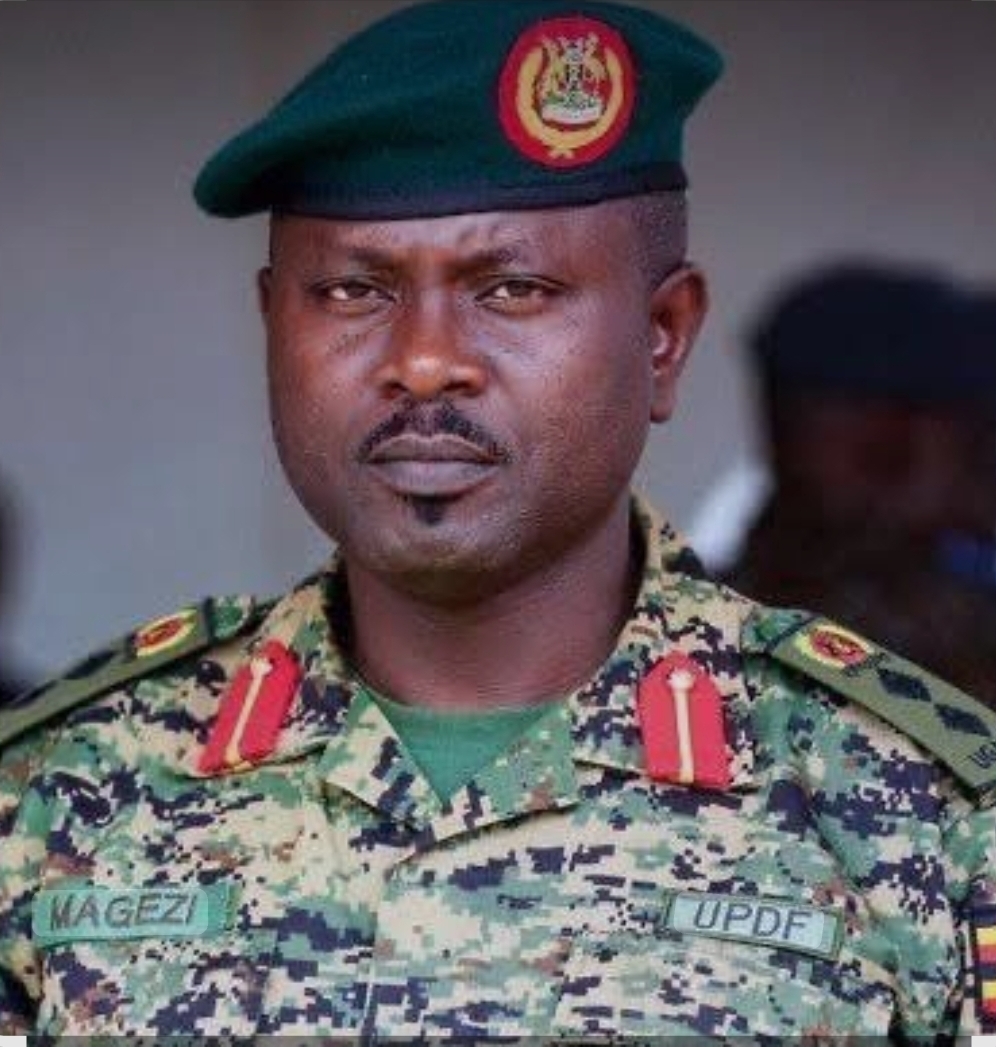
According to military spokesperson Colonel Chris Magezi, the bilateral withdrawal will be completed within days, while all remaining Ugandan forces, including those serving under the African Union Support and Stabilisation Mission in Somalia (AUSSOM), are expected to leave by December 2027.
Uganda’s involvement began in March 2007, when it became the first African country to deploy troops under the African Union Mission in Somalia (AMISOM). Somalia was struggling to recover from state collapse, while al-Shabaab militants threatened its fragile institutions.
Ugandan soldiers helped secure Mogadishu, protect government installations and support operations that pushed militants out of strategic positions. Thousands served, and many lost their lives. Burundi, Kenya, Ethiopia and Djibouti subsequently contributed to the multinational effort.
The mission evolved from AMISOM into the African Union Transition Mission in Somalia (ATMIS) in 2022, before becoming AUSSOM in January 2025. Its underlying objective remained consistent: help Somalia establish security institutions capable of defending the country independently.
But that objective remains unfinished.
Al-Shabaab continues launching deadly attacks. In late October, fierce fighting in southern Somalia reportedly killed dozens of government soldiers, although accounts of the casualties differed. Somalia also faces political disagreements over constitutional changes and presidential tenure.
Meanwhile, international financing is becoming increasingly uncertain. Washington has announced plans to end support for the United Nations office supplying essential logistics to African Union forces, allowing a transitional period during 2027. The mission already faces serious funding difficulties.
These developments place Uganda’s withdrawal in a wider context. The departure is not simply a military redeployment. It is part of a complicated transition involving security, political legitimacy and international financial commitments.
For the European Union, which has supported Somalia’s security institutions and African peace operations, the transition raises questions about the sustainability of international assistance.
For East Africa, the consequences extend beyond Somalia’s borders. Kenya, Ethiopia and other regional partners have direct interests in preventing renewed militant expansion and cross-border insecurity.
Uganda has announced its departure, but the real test lies ahead. Somali forces must assume responsibilities previously shared with experienced international troops, while African and international partners determine how to support that transition.
After 20 years of military intervention, the central question is no longer how long foreign troops should remain. It is whether Somalia’s institutions, resources and political leadership can sustain security when those troops finally leave.
A military withdrawal can be completed by a deadline. Building lasting peace cannot.