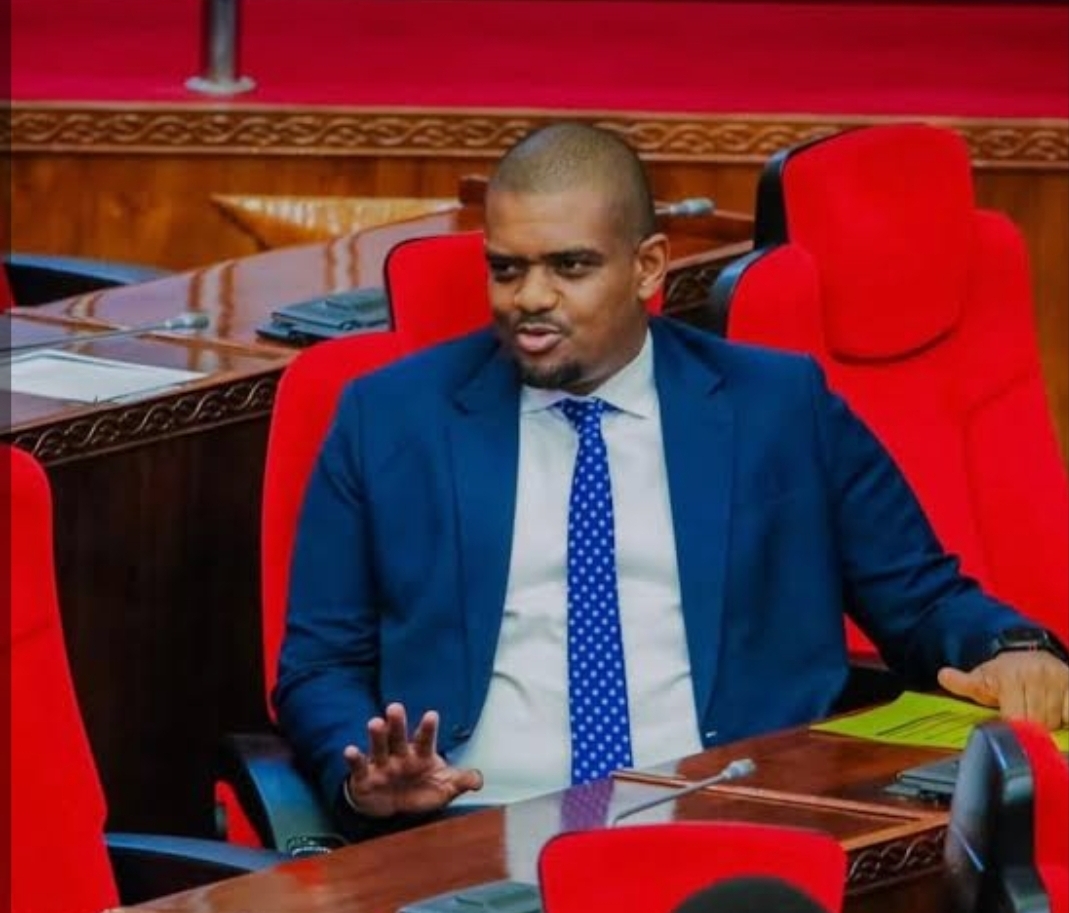
I have followed with considerable interest the controversies surrounding Tanzania’s Vice-President, Deogratias Ndejembi. Tanzanian and Kenyan media reports, alongside political commentaries, have raised uncomfortable questions about his background, connections and rise to power.
Which allegations are true, exaggerated or fabricated? Shouldn’t the Vice-President welcome an opportunity to clarify them?
Silence proves nothing. But can unanswered questions give speculation undeserved credibility? The public has spoken. Where is Ndejembi’s voice?
Consider his age. Reportedly 43, he could leave office in 2030 at just 47. Questions about his actual age remain unsubstantiated. Why not provide authoritative clarification? More importantly, what exceptional experience or leadership qualities justified his appointment?
Then come the financial implications. Tanzania’s Political Service Retirement Benefits Act provides substantial benefits for former Vice-Presidents, including pensions, gratuities and other privileges, subject to statutory conditions. If Ndejembi retires in 2030, could taxpayers finance these benefits for another 30 or 40 years? What would the cumulative cost be, including security, transport and housing-related entitlements? Was this long-term commitment considered before his appointment?
What about allegations of British citizenship? Where is the evidence? If unfounded, shouldn’t they be conclusively addressed?
Questions also surround his maternal ancestry, reportedly linked to Pemba, Zanzibar. What evidence supports these claims? Even if established, what constitutional relevance would such ancestry have? Surely, family origins alone cannot disqualify a Tanzanian from national leadership.
More sensitive speculation concerns his sexual orientation. Is there credible evidence behind these claims, or are Tanzania’s cultural sensitivities being exploited politically? Where should legitimate public scrutiny end and personal prejudice begin?
His previous employment with GSM Group raises questions about potential conflicts of interest. Do business relationships remain? Have relevant interests been declared? What safeguards protect public decisions from private influence?
And his family’s longstanding CCM connections? How much of his advancement reflects merit, political patronage or institutional experience?
Then comes Emmanuel Nchimbi’s departure. Why did Ndejembi emerge as his replacement? What alternatives were considered? What vetting preceded his nomination? Was the decision driven by competence, political convenience or succession calculations?
None of these questions establishes wrongdoing. Nor should ancestry, religion, foreign education or private identity become instruments of prejudice.
Nevertheless, the Vice-Presidency carries enormous constitutional responsibilities and potentially substantial lifetime financial obligations.
Doesn’t such an office demand exceptional transparency?
Ndejembi deserves fairness and an opportunity to respond. Tanzanians deserve clarity about his qualifications, appointment, potential conflicts of interest and long-term public cost.
Mr Vice-President, the questions are already before the public. Which are true? Which are false? And will you answer them?