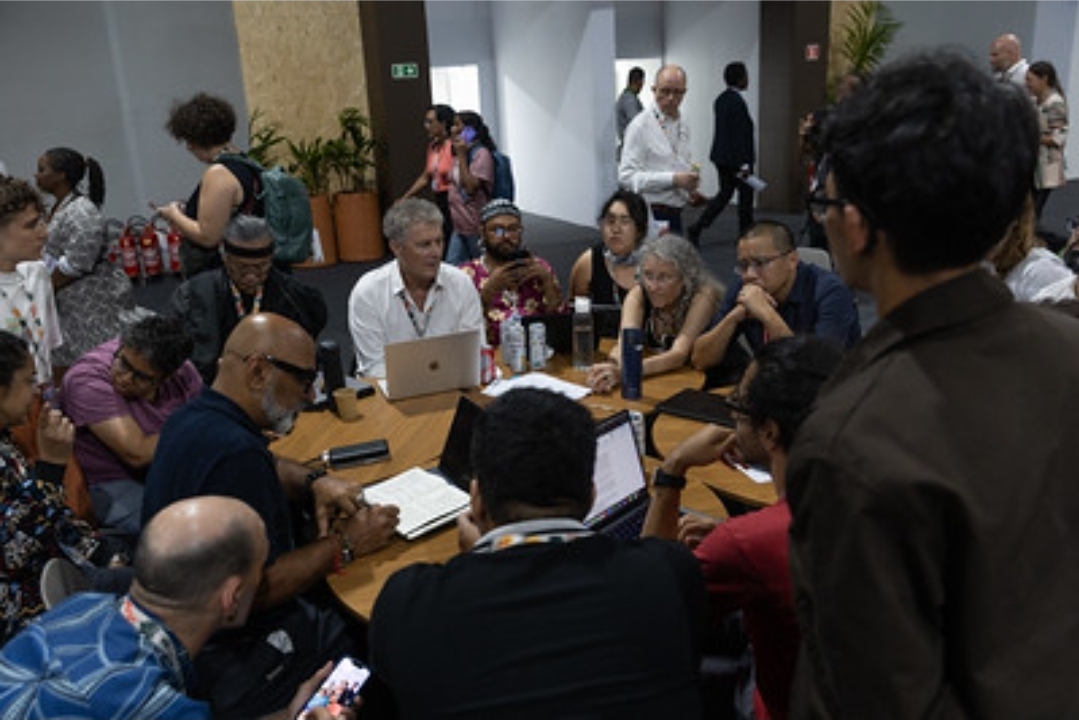
When world leaders gathered in Brazil for the COP30 climate summit, they spoke in the language of diplomats – targets, frameworks, mechanisms and finance goals.
But for millions of Africans facing floods, droughts and hunger, the real question is far simpler: what do these decisions mean for our daily lives?
COP30 was described as an “implementation conference”, meant to move the world from promises to action. Some progress was made. But many hard truths remain. Here is what COP30 really means for Africa, in plain language.
Climate finance: a lifeline, if it arrives
Africa contributes the least to global climate change, yet suffers some of its worst effects. Floods wash away homes, droughts destroy crops, heat dries rivers and livelihoods.
At COP30, rich countries agreed that far more money must be directed to poorer nations to help them adapt to climate change. For Africa, this could translate into flood defences, drought‑resistant seeds, water projects, stronger housing and early warning systems.
This is not charity. It is long‑overdue climate justice.
However, these funds are still promises, not obligations. Africa has heard such pledges before. What matters now is whether the money actually reaches communities on the ground.
Support for developing countries: a slow shift in mindset
For years, Africa has been told to fight climate change without being given the tools to do so. How can countries be expected to go green when hospitals lack electricity, schools lack water, farmers lack irrigation and young people lack jobs?
COP30 marked a gradual recognition that developing countries cannot face climate change alone. Rich nations acknowledged their responsibility to support poorer ones with finance, technology and skills.
For Africa, this is an important shift – from pressure to partnership. But recognition alone will not build solar plants, irrigation systems or resilient cities. Action must follow.
Forests: from sacrifice to value
Africa’s forests are often described as resources to be exploited. In reality, they are life systems – regulating rainfall, storing carbon, providing food, medicine and livelihoods.
At COP30, countries supported the idea of paying nations to protect forests rather than cut them down. If implemented properly, this could allow African communities to earn income from conservation, create green jobs and invest in sustainable livelihoods.
This approach has the potential to turn nature from a victim of poverty into part of the solution to it.
A just transition: climate action without new poverty
Climate solutions can also cause harm if they ignore social realities. Closing mines without alternatives destroys jobs. Rising fuel prices hurt the poor. Sudden farming changes can ruin smallholders.
COP30 reaffirmed the idea of a “just transition” – meaning climate action should not make the poor poorer.
For Africa, this principle is critical. Climate policies must create employment, protect workers, empower women and youth, and strengthen communities. Without this, climate action risks deepening inequality rather than solving it.
Measuring real progress, not paperwork
African citizens are familiar with impressive government reports that do not reflect reality on the ground. COP30 agreed on clearer ways to measure whether climate action is actually protecting people from harm.
This matters because Africa does not need more reports. It needs real change – safer homes, reliable water, secure food and resilient livelihoods.
The unresolved crisis: fossil fuels
The biggest disappointment of COP30 was its failure to confront the main cause of climate change – coal, oil and gas.
Despite strong calls, no binding agreement was reached to phase out fossil fuels. Powerful producer countries blocked clear commitments.
For Africa, this is deeply troubling. The continent emits the least, yet faces the harshest impacts. Delaying action on fossil fuels means condemning millions more Africans to climate suffering they did not cause.
Africa’s takeaway from COP30
COP30 delivered modest progress on finance, forests and fairness. But it avoided the bold decisions needed to protect the most vulnerable.
Climate change is not a future threat for Africa. It is a present crisis – felt by farmers watching crops fail, mothers walking farther for water, children learning in flooded classrooms and families forced from their homes.
As climate talks continue, Africa must raise its voice more firmly. Climate justice will not come from polite appeals alone. It must be demanded – with unity, clarity and urgency.
Because climate change is not only an environmental issue. It is a question of dignity, survival and justice.