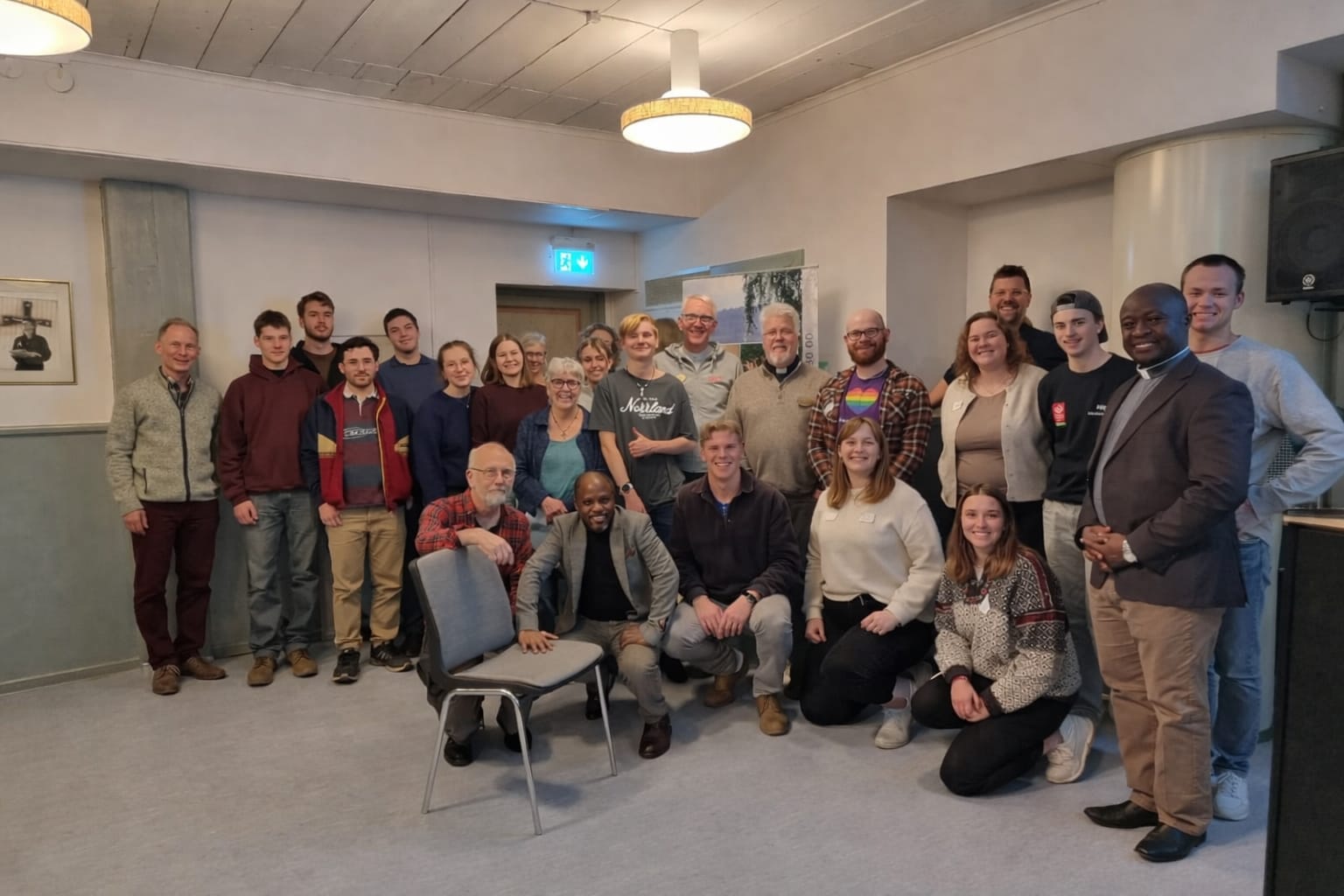
I arrived in Rättvik – a serene lakeside town in central Sweden – with a sense of anticipation, but I left with something far deeper: a renewed conviction that faith, joy, and democratic responsibility can truly coexist.
The Global Epiphany Festival, organised by the Swedish church, was not just an event on a calendar; it was an experience of community, conscience, and shared humanity. From the very first moments, I sensed that this was a space where people did not come to perform belief or politics, but to live them together.
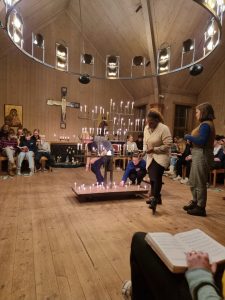
What struck me immediately was the atmosphere. Rättvik felt alive in a quiet, meaningful way – filled with laughter, warm greetings, and an openness that dissolved barriers of age, nationality, and background.
There was joy here, real joy, not as an escape from the world’s troubles, but as a response to them. Joy rooted in togetherness, in being seen and heard, and in knowing that one is not alone in caring about the state of the world.
Communal prayer anchored each day. We prayed not as spectators, but as companions carrying shared concerns. These moments of prayer were deeply moving – simple, honest, and unforced.
They reminded me that prayer, at its best, is not withdrawal from reality, but engagement with it. In those quiet moments, democracy, justice, and human dignity were not abstract ideas; they were lifted up as sacred responsibilities.
The singing was equally powerful. Voices young and old rose together, sometimes carefully, sometimes boldly, creating harmonies that felt like acts of trust. Songs crossed languages and traditions, yet spoke a common moral language.
In singing together, we rehearsed what solidarity feels like – breathing together, listening to one another, adjusting our voices so that no one drowned out the rest.
Discussions during the day were intense, honest, and respectful. People spoke from lived experience – from countries marked by shrinking civic space, political violence, or democratic erosion.
Yet the tone was never despairing. Even when the realities described were painful, the conversations were grounded in hope and responsibility. This was not a space for slogans, but for careful listening and moral clarity.
What moved me deeply was the intergenerational nature of the gathering. I met people who had been part of Global Epiphany since their teenage years, returning year after year for four decades.
Their presence carried memory – a living archive of faith sustained through changing political landscapes. Alongside them were newcomers, many attending for the first time, visibly amazed to witness faith and democracy not in conflict, but in joyful conversation.
Young people, in particular, brought energy and courage. They asked difficult questions, challenged assumptions, and refused easy answers.
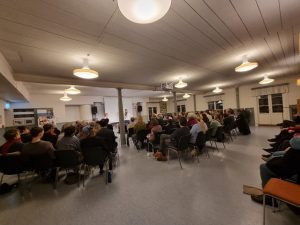
Far from being passive participants, they were fully present, shaping the conversations with honesty and creativity. Watching them engage so confidently gave me hope – not only for the Church, but for the future of democratic culture itself.
Meals shared around long tables were among the most meaningful moments. Dining together dissolved formality. Stories flowed freely, laughter echoed, and friendships formed naturally.
These shared meals reminded me that democracy, like faith, is sustained not only in institutions but around tables – where people meet as equals, break bread, and recognize one another’s humanity.
Chrystyna Lindberg, a parish educator at Ludvika, shares her reflection in these words:
The Global Epiphany Festival was a feast for the mind, body, and soul. We wrestled with difficult questions concerning the state of democracy in the world today. Our souls were filled with the Spirit through energetic praise sessions, and throughout it all, our bodies were sustained by the delicious food prepared by the stiftgården’s kitchen. I was truly blessed this weekend and hope that, in the future, others will have the opportunity to experience the Global Epiphany Festival in Rättvik.
Networking in Rättvik did not feel transactional. It felt relational. Connections were built slowly, through conversation, prayer, and shared reflection. Journalists, pastors, activists, and students spoke not about projects alone, but about values.
It was clear that what united us was not a single agenda, but a shared refusal to accept injustice as normal.
As I shared my reflections on Tanzania, I felt held by this community. My words did not fall into a void; they were received with care, questions, and solidarity.
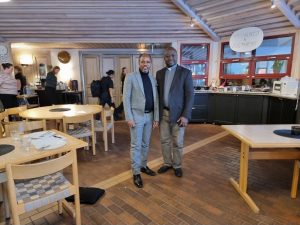
When I spoke about the Church’s responsibility when politics fails – to stay, to speak, to protect dignity – I knew I was speaking in a place that understands this calling not as theory, but as lived practice.
Rättvik itself became a symbol for me. It was a place of holiness without heaviness, seriousness without fear, and reflection without withdrawal. Here, fun and faith coexisted naturally. Laughter did not undermine the gravity of the discussions; it strengthened them. Happiness was not denial. It was resistance.
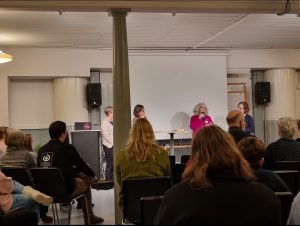
What amazed many first-time participants was precisely this harmony. They saw that democracy does not have to be stripped of moral grounding, and faith does not have to retreat from public life. In Rättvik, the two met not as rivals, but as companions – each enriching the other.
As time went by, I realized that the global impact of this gathering lies not in declarations or resolutions, but in formation. People leave changed – more attentive, more courageous, more connected.
Over nearly sixty years, this quiet transformation has multiplied across continents through those who carry Rättvik with them.
Emil Wennerströrm, one of the Swedish youth who visited Tanzania in the last quarter of 2025, reflected on the Epiphany festival by saying:
“In a world where it is easy to become trapped in our own perspectives, the festival opens space for insight into many different ideas, backgrounds, and lived stories. It leaves you with a strong sense that you want to do more for the world and, importantly, that doing so is truly possible.”
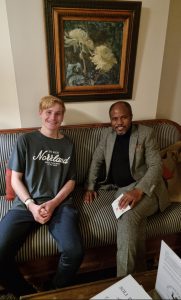
On leaving Rättvik, I carried with me a deep sense of gratitude for the Church that refuses disappearance, for the people who keep returning year after year, and for those who arrive amazed and leave committed.
In a troubled world marked by abuse of power and rising extremism, Rättvik reminded me that another way is possible.
It reminded me that staying is an act of faith, joy can be a form of resistance, and democracy, when rooted in dignity and solidarity, can still be protected.
And perhaps most importantly, it reminded me that when people pray, sing, think, eat, and hope together, the world, however briefly, feels repairable.
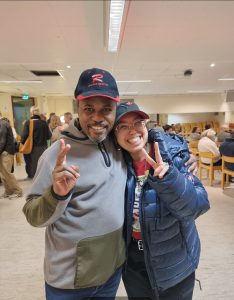
Another young participant, Markus Holbak, who was recently in Bukoba, Tanzania, shared the following reflection:
The Global Epiphany Festival was inspiring and uplifting. Despite the worrying global situation, it offered a sense of hope and optimism about the future.”