Africa and Europe have agreed on another plan to strengthen cooperation between their continents. But this is not their first attempt. Similar commitments have been made over the past 25 years, with important achievements, unfinished projects and lessons that should guide the latest initiative.
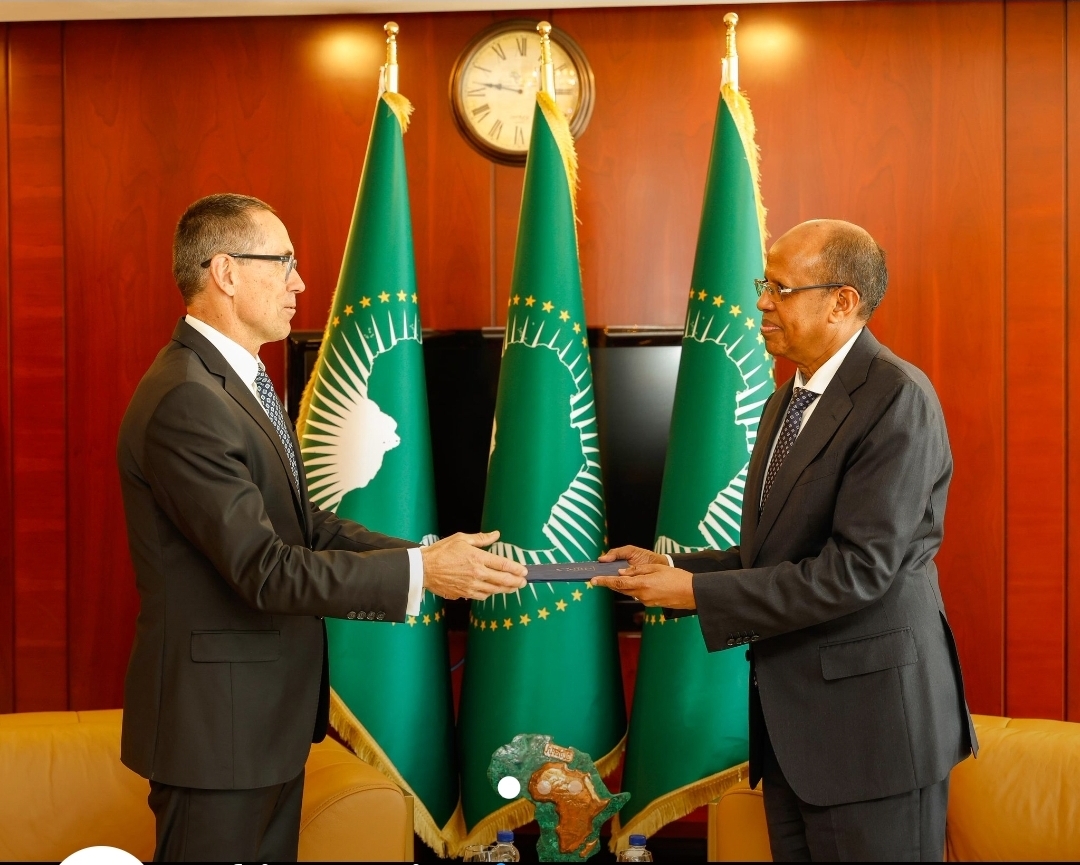
On 4 November 2026, senior officials of the African Union (AU) and European Union (EU) met in Addis Ababa, Ethiopia, and adopted a Partnership Implementation Plan. It follows commitments made at their November 2025 summit in Luanda, Angola, and advances their Joint Vision for 2030.
The new plan addresses prosperity, peace and security, governance, human development and international cooperation. It also introduces a follow-up mechanism intended to strengthen coordination and accountability.
But what makes this agreement different from previous ones?
The AU–EU partnership began in Cairo in 2000. Subsequent summits produced agreements on trade, investment, migration, development and security. The most ambitious recent initiative came in February 2022, when both sides adopted their Joint Vision for 2030, supported by Europe’s Global Gateway investment package targeting €150 billion in African investments by 2027.
Progress has been substantial. By May 2025, European institutions reported 99 Team Europe initiatives and 138 Global Gateway flagship projects adopted between 2023 and 2025. These covered energy, transport, digital infrastructure, healthcare and business development.
European financing has also supported African peace operations, while cooperation in health has helped advance efforts to manufacture vaccines and medicines within Africa.
These achievements matter. They demonstrate that the partnership has produced more than diplomatic declarations.
However, announcing investment initiatives is not the same as completing projects. Nor does mobilising financing automatically translate into employment, industrial growth or improved living standards. This is where the lessons begin.
First, implementation must become more important than promises. The new monitoring mechanism should establish clear targets, deadlines and publicly accessible progress reports. Citizens should be able to distinguish money promised from money invested and projects announced from projects completed.
Second, economic cooperation must create value on both continents. Africa needs industries, skilled employment and stronger regional markets. Europe needs reliable supply chains, investment opportunities and trading partners. Supporting African manufacturing, including processing raw materials locally, would serve both interests better than maintaining traditional commodity-export relationships.
Third, peace and development must advance together. Conflicts in Sudan, eastern Congo and Somalia demonstrate that investment cannot flourish without security. European assistance should strengthen African-led conflict prevention, diplomacy and accountable institutions rather than encourage permanent dependence on external support.
Fourth, migration must be treated as a shared economic and human challenge. Europe faces labour shortages, while Africa has a growing young population seeking opportunities. Legal mobility, skills partnerships and investment in African employment can benefit both, provided essential African services are not deprived of their skilled workers.
Finally, the two continents must confront unequal bargaining power, financing costs and competing political interests. A partnership cannot be genuinely successful if one side largely determines priorities while the other carries the consequences.
The latest agreement offers an opportunity to address these weaknesses. Its greatest advantage is that the AU and EU are not starting from nothing. They have institutions, experience, investment programmes and evidence of what has worked.
What they need now is stronger accountability, fairer economic arrangements and the political determination to correct previous shortcomings.
After 25 years of partnership, Africa and Europe should no longer measure success mainly by agreements signed or billions pledged. They should measure it by projects completed, jobs created, conflicts prevented and lives improved.