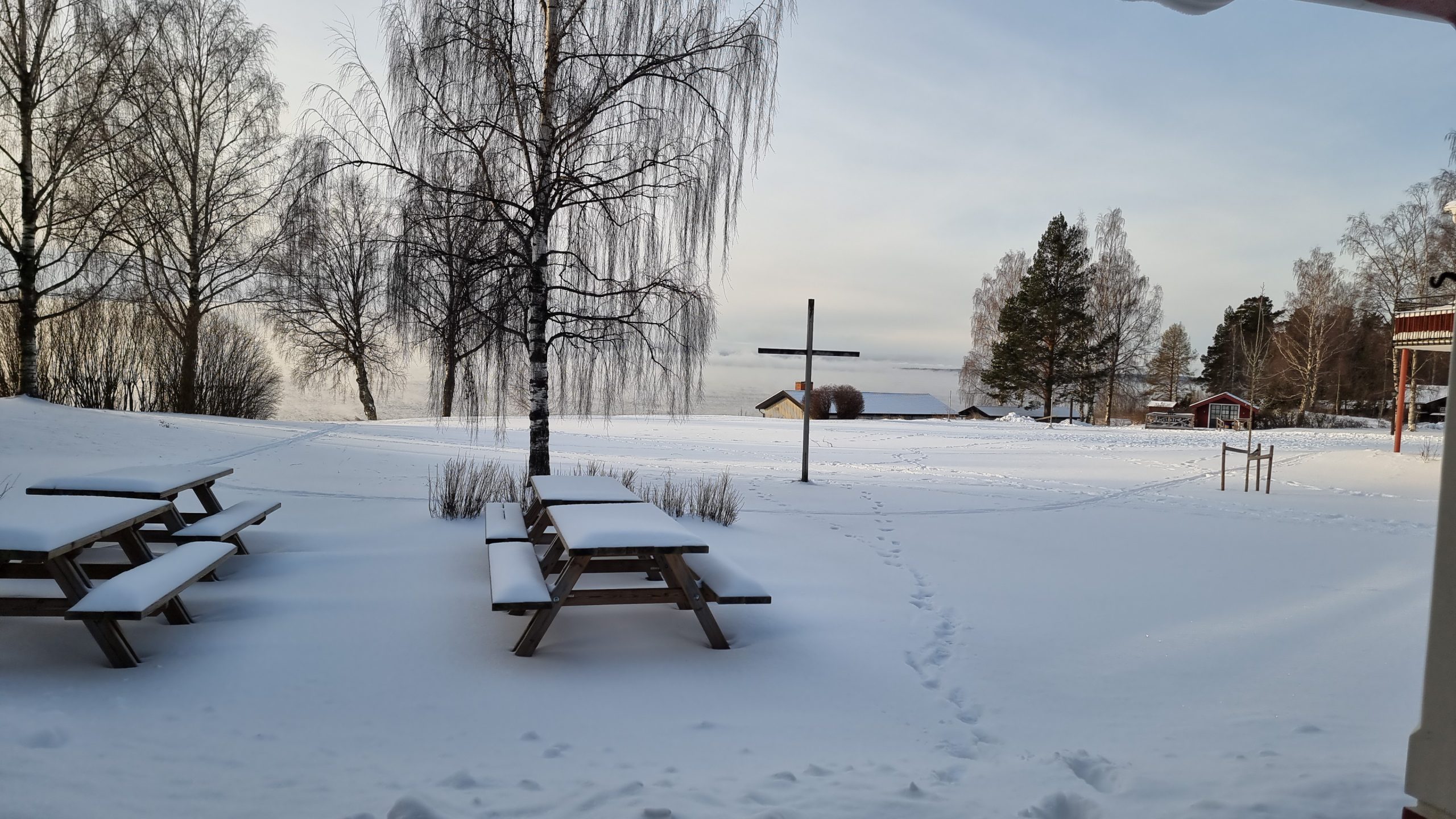
The Church of Sweden will on Thursday this week host a high-level seminar in Rättvik under the theme “Tanzania 2026: Transforming Disaster into Sustainable Peace,” bringing together church leaders, academics, journalists, friends of Tanzania and civil society actors to reflect on Tanzania’s political trajectory at a moment of heightened national and international attention.
The timing of the meeting is significant. On the same day, Tanzania’s presidential commission of inquiry into post-election violence – chaired by Justice Chande – is expected to present its findings on the 2025 general election unrest and its wider political and social consequences, a development that has intensified anticipation around discussions on accountability, reconciliation, and democratic reform.
At the centre of the Swedish seminar are two prominent Tanzanian voices: Dr. Bishop Benson Bagonza and media scholar and journalist Ansbert Ngurumo.
Dr. Benson Bagonza, Bishop of the Karagwe Diocese of the Evangelical Lutheran Church in Tanzania, will deliver the keynote address titled “Can it be Better before it gets Worse? Bumpy Road to Recovery in Tanzania.”
A long-time interlocutor between Tanzanian civic life and Swedish faith-based actors, Bishop Bagonza is expected to offer a candid assessment of Tanzania’s governance challenges while also pointing to pathways for reconciliation and reform.
Ansbert Ngurumo, President and Editor-in-Chief of SK Media, and political analyst, will contribute a presentation focusing on the growing influence of diaspora media in shaping political discourse, civic awareness, and democratic engagement in Tanzania.
The seminar also features contributions from academics Kajsa Ahlstrand and Emma Milerud Sundström of Uppsala University, who will provide scholarly perspectives on governance, peacebuilding, and Tanzania’s evolving democratic landscape.
The event reflects the long-standing engagement of Swedish faith-based and development actors with Tanzania. For decades, the Church of Sweden and its partners have worked closely with Tanzanian institutions through education, health, human rights, and peacebuilding initiatives, often in collaboration with the Evangelical Lutheran Church in Tanzania.
These relationships have helped sustain dialogue on ethical leadership, social justice, and grassroots development.
Sweden’s broader partnership with Tanzania -dating back to the 1960s – has also been a cornerstone of bilateral cooperation, particularly through development support in governance, health, and education.
Within this framework, the Church of Sweden has positioned itself as a platform for dialogue among “friends of Tanzania,” including diaspora actors, researchers, and faith leaders committed to constructive engagement even during politically tense periods.
Organisers describe the Rättvik gathering as a “lunch-to-lunch” seminar designed to foster frank reflection and sustained dialogue on Tanzania’s future.
Against the backdrop of post-election tensions, the expected release of the commission’s report, and ongoing debates on democratic space, the meeting is seen as part of a wider effort to sustain international solidarity and encourage pathways toward durable peace and national healing.